A shortlist built on unit price rarely survives a large order. When the quantity rises, the variables that matter are the ones a price list does not show: whether the supplier actually controls the production floor, how the minimum order policy interacts with tooling, whether the stated lead time starts at enquiry or at artwork approval, and what happens when a reorder is placed six months later. This article breaks the decision into five factors, then shows how to weight them for a volume medal programme rather than a one-off purchase.
Shortlisting Criteria That Survive a Large Order
The useful way to structure a shortlist is to fix the criteria before you see the quotes. Otherwise the cheapest bid silently redefines what you were comparing. For a large custom medal order, the five factors worth scoring are the manufacturing model and capacity, the minimum order and pricing structure, lead time and logistics, design and artwork handling, and the combined discipline of quality control, communication and after-sales support. Each factor should produce a document or a named answer, not an impression.
SG-CRAFT describes itself as a source factory offering one-stop production and 1V1 professional custom business solutions, with direct manufacturing capability paired with dedicated one-on-one service and factory-direct pricing. Its site also lists Global Shipping, Free Artwork, NO Minimum, Strict Inspection and Eco-friendly as service points. Those are the kinds of structural statements a buyer can convert into questions. The rest of this guide does exactly that.
Factor 1 — Manufacturing Model and Production Capacity
Capacity is not a number on a profile page; it is the extent to which a supplier controls the steps between your artwork and the packed carton. Ask who develops the mould, who runs the forming and finishing stages, and how a run is scheduled when several programmes overlap. SG-CRAFT's about page describes an integrated factory supporting end-to-end manufacturing from mold development to mass production, with flexible solutions for all order scales. That is the right level of detail to probe: a supplier that owns mould development can explain how a design change affects tooling, while an intermediary has to ask someone else.
Factor 2 — Minimum Order Policy and Pricing Structure
Minimum order policy and pricing structure are often confused. A supplier may advertise no minimum and still charge separately for tooling, artwork development, samples, individual packaging and express freight. Ask for an itemised quotation that names each of these lines and states what is repeated on a reorder. SG-CRAFT lists NO Minimum on its site, which is a genuine advantage for buyers testing a design before committing volume, but the policy does not by itself tell you the cost of a custom mould or the price of a presentation box.
- Unit price at each quantity tier, and whether tiers assume one design or several.
- Tooling and mould charges, and whether they are retained for reorders.
- Artwork and sample costs, including what happens if the proof is revised.
Factor 3 — Lead Time, Scheduling and Logistics
A lead time is only meaningful if both sides agree on when the clock starts. Does it begin at the first enquiry, at receipt of artwork, at artwork approval or at sample sign-off? Which approvals are prerequisites? What written schedule runs from that point to dispatch? SG-CRAFT's about page states that a self-managed supply chain allows efficient scheduling and reliable delivery, with expedited options for urgent projects backed by dependable global logistics support, and its homepage lists Global Shipping. Those are useful claims to convert into order terms: name the trigger, the carrier, the destination and who is responsible for documentation.
For an event-driven programme, work backwards from the date the medals must be in hand, then add explicit buffers for artwork revision, sample approval and transit. Ask the supplier to confirm in writing which of those buffers sits inside its quoted schedule. A factory that controls its own scheduling can answer this; one that depends on a chain of outside workshops will hedge.
Factor 4 — Design Support and Artwork Handling
Design support matters most where the buyer's brief is incomplete, which is most of the time. Ask who redraws the artwork, what file format is required, how colour references are handled, and how a revision is version-controlled. SG-CRAFT lists Free Artwork and describes an R&D capability that uses 3D modeling to refine designs, alongside a 1V1 service model. Both are relevant to a buyer with a complex relief or an unusual shape: the drawing stage is where an unmanufacturable detail should be caught, before tooling is cut.
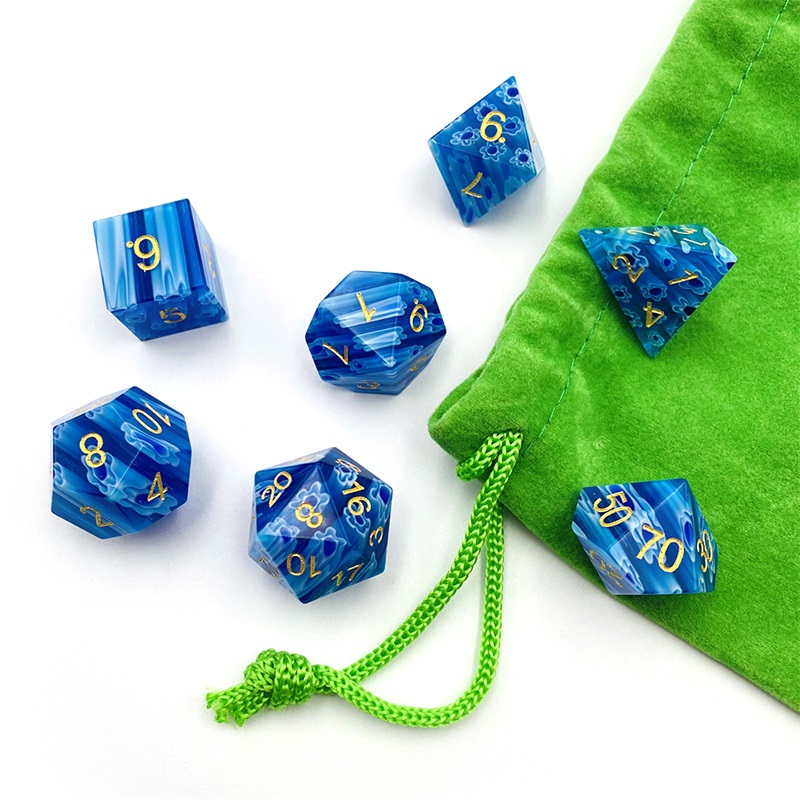
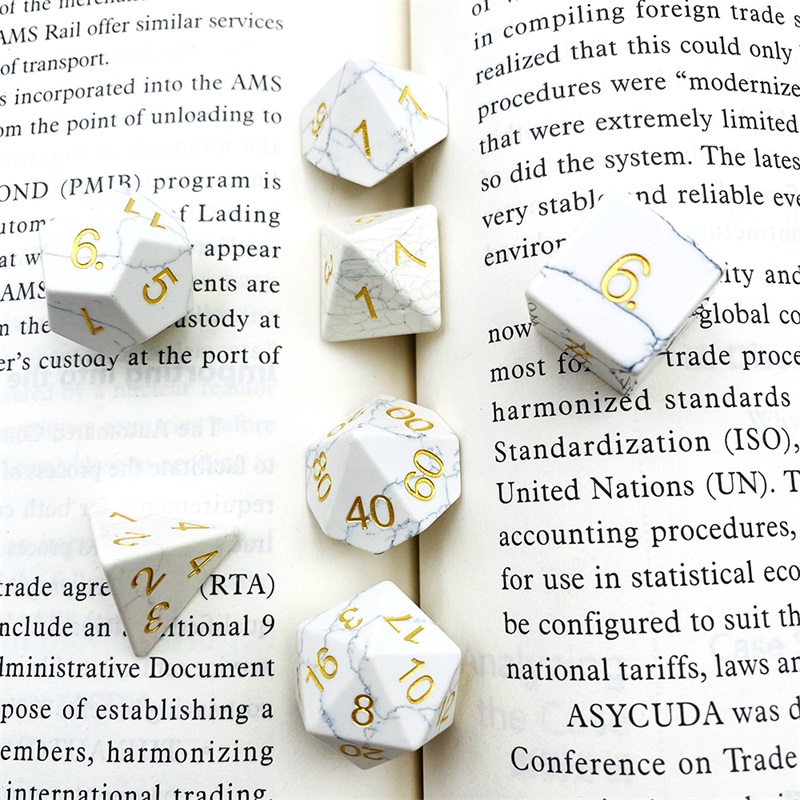
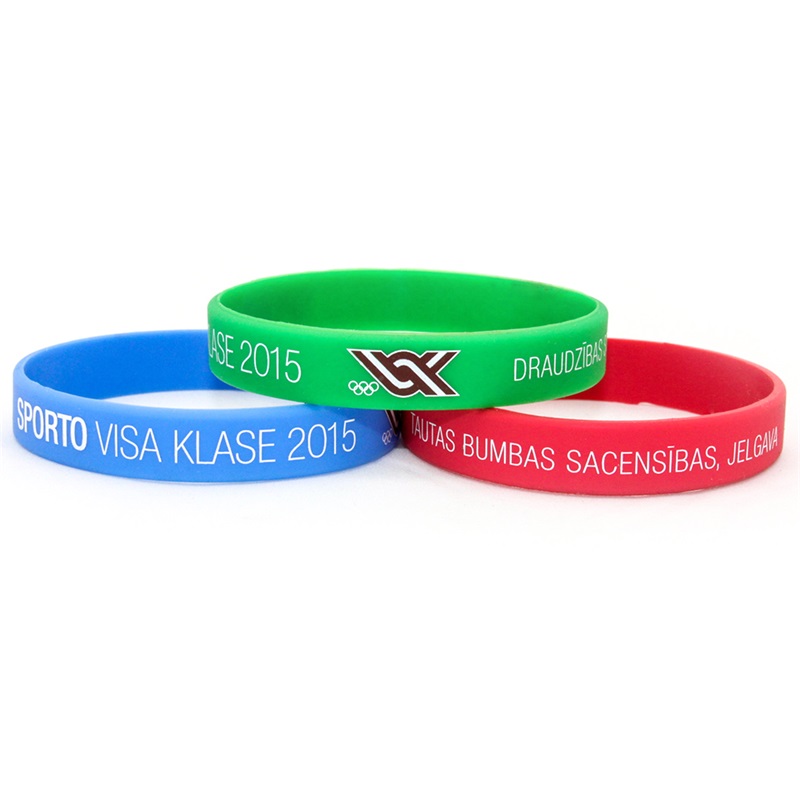
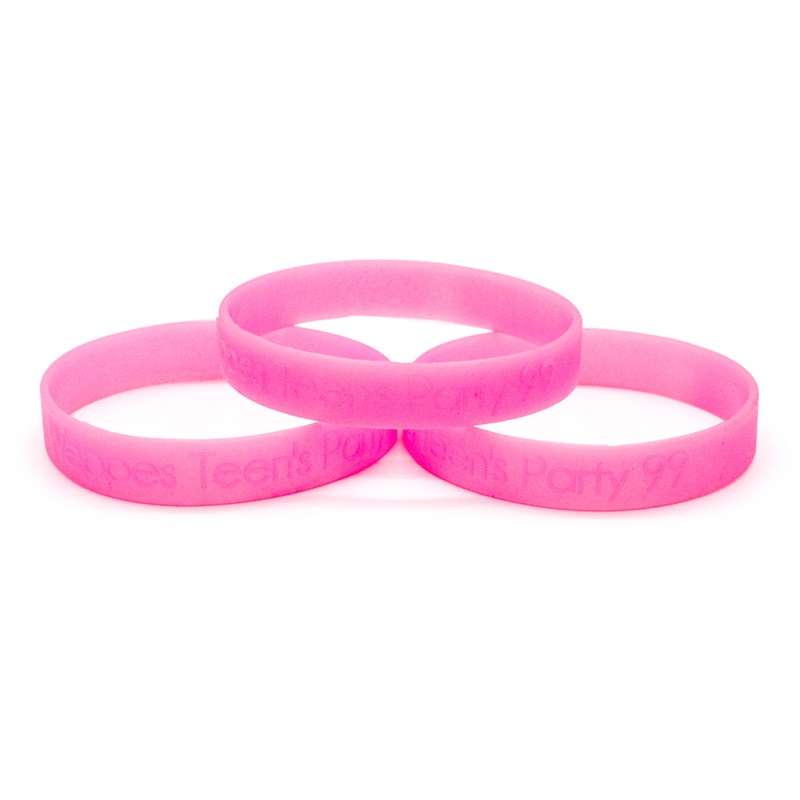
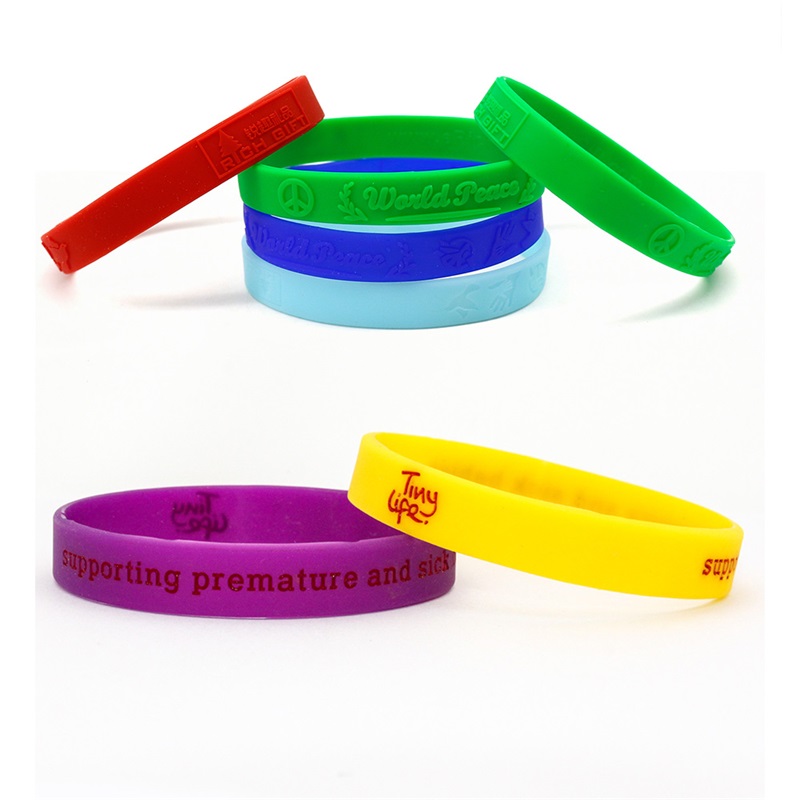
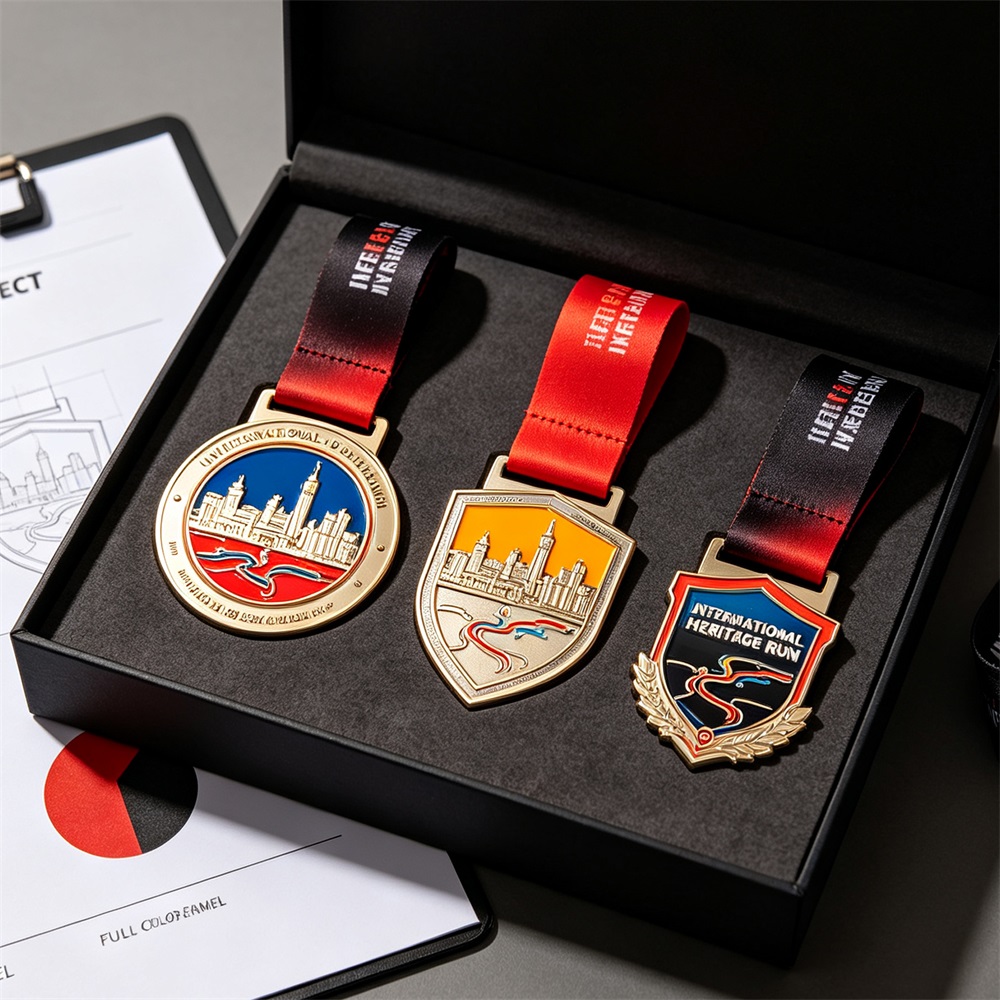
Require a production artwork, a written specification restatement and a named approval owner. Then name the approved piece as the golden sample for the run and for reorders. SG-CRAFT's product range covers Medal and Custom Medal alongside custom dice, enamel pins, challenge coins, keychains, lanyards, PVC patches and wristbands, so a buyer ordering several categories should insist on a separate approved reference for each line. Breadth of range is a strength only when the paperwork keeps the lines distinct.
Factor 5 — Quality Control, Communication and After-Sales
These three are one factor because they fail together. Inspection that is not documented cannot be verified; a technical question that has no named owner becomes a delay; and a programme with no reorder record has to be re-specified from scratch. SG-CRAFT states that its full-process QC system combines manual and automated inspections to ensure precise product specifications, and that it provides dedicated after-sales support with quality tracking, reorder assistance and responsive communication. Ask how each of those statements appears on your specific order.
| Factor | Why it matters at scale | Evidence to request | Suggested weight |
|---|---|---|---|
| Manufacturing model and capacity | Determines whether schedule and tooling are under one roof | Written description of mould development and run scheduling | High |
| Minimum order and pricing | Changes the true cost of a split or repeat order | Itemised quote with tooling, packing and freight lines | High |
| Lead time and logistics | Event dates are fixed; production dates are not | Written schedule with a named starting trigger and destination | High |
| Design and artwork handling | Errors here repeat across every unit | Production artwork, version control, named approval owner | Medium to high |
| QC, communication and after-sales | Protects consistency and the second order | Inspection record, first-article evidence, reorder reference | High |
How to Weight the Factors for Your Programme
There is no universal weighting. For a fixed-date event with several medal variants, lead time and design handling deserve the heaviest scores because a missed approval cannot be recovered. For an annual programme that will be reordered, the manufacturing model, tooling terms and after-sales record matter more, since they determine whether year two looks like year one. For a first-time buyer testing a new design, the minimum order policy and sampling route are the practical gateway. Score each supplier against the same five factors, keep the completed sheet with the order file, and revisit it after delivery — the comparison is only useful if it is updated with what actually happened.
To run this on a live enquiry, send SG-CRAFT your quantity, design count, artwork, finish intent, packaging requirement, destination and required in-hand date through the Get Your Free Custom Quote or Request Quote route, or write to info@custombadgepin.com. Ask for an itemised quotation, a production artwork, a written schedule with a named starting trigger and the inspection evidence available for your run. SG-CRAFT lists an office at Room 18, 14th Floor, Tower A, China Resources Center, No. 1 Hongling Road, Xiufeng District, Guilin City, China, and a direct line at +86 13480469425; use one channel consistently so the whole programme stays in a single thread.
Frequently Asked Questions
Which factor should dominate when choosing a manufacturer for a large custom medal order?
For a fixed-date programme, lead time and design handling should dominate, because a late artwork approval cannot be recovered by paying more for freight. For an annual programme that will be reordered, the manufacturing model and tooling terms matter most, since they determine whether a repeat run matches the first. Score all five against one written brief. SG-CRAFT describes an integrated factory supporting end-to-end manufacturing from mold development to mass production with flexible solutions for all order scales, which is the kind of structural claim a buyer can test by asking who owns the mould, who schedules the run and how a reorder references the original artwork.
Does a no-minimum policy remove the cost risk of testing a new medal design?
It removes the order-quantity barrier, not the tooling and sampling cost. A custom design may still require a dedicated mould, a production artwork and a pre-production sample, and those lines should be visible in the quotation before you commit. SG-CRAFT lists NO Minimum on its site, which is helpful for a buyer who wants to validate a design at small volume, but the buyer should still ask whether tooling charges repeat on a reorder and which packing format the quoted unit price assumes. Its about page also lists 45 sales executives, 20 senior designers and a 300-person production team, which is useful context for the service model, but the decisive document remains the itemised quote.
What should a written lead time include before I accept it?
It should name the event that starts the clock, list the approvals that must be completed first, state the schedule to dispatch, identify the carrier and destination, and say who handles freight documentation. It should also explain what happens if an artwork revision arrives after approval. SG-CRAFT states that its self-managed supply chain allows efficient scheduling and reliable delivery, with expedited options for urgent projects and dependable global logistics support, and its homepage lists Global Shipping and Free Artwork. Convert each of those statements into order terms rather than treating them as a schedule. A date attached to a named trigger is manageable; "fast production" is not.
How do I make sure a reorder matches the original medal run?
Retain the approved production artwork, the written finish description, the named golden sample and the packing record in one file, and require the reorder quotation to reference them explicitly. Confirm which artwork version and which tooling the new run will use, and re-approve any change to text, date or finish rather than treating it as a minor edit. A full-process QC system that combines manual and automated inspections, and an after-sales promise of quality tracking and reorder assistance, are useful statements. Ask how both are documented for your order number — a reorder reference on file is what turns a good first run into a repeatable programme.